

Falls are one of the biggest safety risks for older adults living at home, and previous studies have found that between 32 and 42 percent of adults over age 70 experience a fall each year. Most of those falls happen in predictable places — on the stairs, in the bathroom, or tripping over something in a hallway — which means most of them are also preventable.
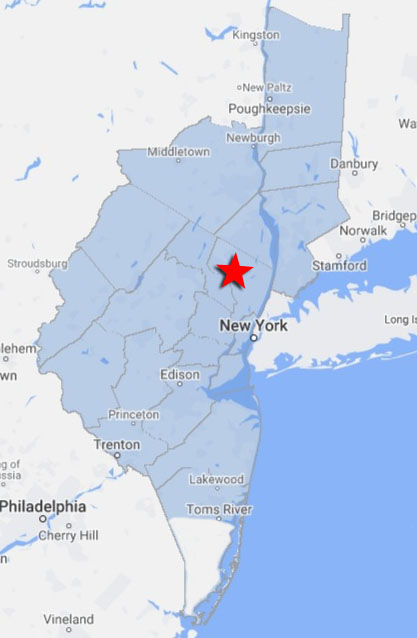
Able Care Group has spent over 30 years helping New Jersey and New York families make their homes safer. This guide walks through the most common fall hazards at home and the practical fixes — from simple habit changes to stairlifts and grab bars — that make the biggest difference.
Common Fall Hazards at Home
Before looking at equipment, it’s worth doing a quick walk-through of your home with fall risk in mind. The most common hazards are also the easiest to fix:
• Loose rugs or runners that can slide or bunch up underfoot
• Dim lighting in hallways, staircases and entryways
• Clutter or cords across walking paths
• Uneven flooring transitions between rooms
• Slippery surfaces in the kitchen or bathroom
• Front or back steps with no ramp or secure handrail
Many of these fixes cost little to nothing — securing a rug or adding a nightlight takes minutes. Others, like a staircase without a working handrail or a bathroom without any grab bars, are worth addressing with a more permanent solution. The same goes for entryways: if steps make coming and going difficult, a wheelchair ramp or a platform lift can remove that risk depending on the space you have available.
Stairs: The Most Common Culprit
Stairs are one of the two places (along with the bathroom) where falls happen most often, and the risk compounds over time as balance and strength change. A missing or loose handrail, poor lighting, or simply the physical demand of climbing multiple flights every day all add up.
For some homes, better lighting and a secure handrail are enough. For others — especially if climbing stairs has become difficult, painful, or something you actively try to avoid — a stairlift removes the risk entirely by letting you ride rather than climb. Explore our stairlift options to see what fits your staircase.
Bathroom Fall Risks
The bathroom combines several fall risks at once: wet, slippery surfaces, the need to step over a tub wall, and the balance required to sit down and stand back up from the toilet. It’s no surprise it’s one of the most common places for falls to happen at home.
Grab bars, non-slip mats, a shower seat and a raised toilet seat all reduce that risk, usually without any major renovation. We cover these in more detail in our home accessibility guide, including how to prioritize which upgrades make sense first.
How Stairlifts & Grab Bars Prevent Falls
Stairlifts and grab bars solve two different pieces of the fall-prevention puzzle, and most homes benefit from both.
A stairlift removes the fall risk on stairs completely — instead of navigating steps that get harder to manage over time, you ride a motorized chair up and down at the push of a button. Straight rail stairlifts are often installed in just a few days; curved rail stairlifts are custom-built for staircases with turns or landings.
Grab bars address the other high-risk zone: the bathroom. Installed near the toilet and inside the shower or tub, they give you something solid to hold onto during the exact moments — stepping, sitting, standing — when a fall is most likely. They’re one of the lowest-cost accessibility upgrades available, and pair well with a shower seat or non-slip flooring. See our full accessibility guide for more on bathroom safety options.
Frequently Asked Questions
Schedule a Free Fall-Prevention Consultation
Not sure where to start? Call (800) 310-1196 or schedule a free fall-prevention consultation and we’ll walk through your home with you, no obligation.