

Home accessibility care is the ongoing process of adapting a house so that people with mobility challenges can move through it safely and independently. For families in New Jersey and New York, that often means more than a single purchase — it’s a plan that combines the right equipment, proper installation, and long-term maintenance so a home stays safe as needs change over time.
In this guide, we break down what home accessibility care actually involves, the equipment options available, and how to know when it’s time to upgrade your home.
What Is Home Accessibility Care?
Home accessibility care refers to the equipment, services, and support that help someone with limited mobility live safely in their own home. Unlike a one-time renovation, it’s treated as a continuing relationship: equipment is inspected, serviced, and adjusted as a person’s mobility needs evolve, whether that’s after a surgery, a progressive condition, or simply the natural changes that come with aging in place.
At its core, good home accessibility care answers one question: can this person get in, out, and around their home without unnecessary risk? Answering that well usually requires a site visit, not a guess from a catalog.
What Home Accessibility Care Includes
Every home is different, so accessibility care typically draws from a toolkit of proven equipment types. Here’s what’s most commonly recommended:
Stairlifts
Stairlifts carry a person up and down a staircase while seated, eliminating the risk of a fall on the stairs. They’re available for straight or curved staircases, indoors or outdoors, and are one of the fastest ways to restore full access to every floor of a home.
Ramps

Residential ramps replace steps at entryways, decks, or garages, making it possible to enter and exit a home using a wheelchair, walker, or scooter without assistance.
Platform Lifts
Wheelchair and platform lifts move a person and their mobility device vertically between levels where a ramp isn’t practical, such as a short run of steps at a front porch or a split-level entry.
Home Elevators

For multi-story homes, residential elevators provide full access between floors and can be a long-term solution for families planning to age in place rather than relocate.
Signs Your Home Needs an Accessibility Upgrade
- A family member has started avoiding the stairs or only uses one floor of the home
- There have been one or more falls or near-falls on stairs or at entryways
- A recent surgery, injury, or diagnosis has changed how someone moves through the home
- A caregiver is physically assisting someone up stairs or over thresholds every day
- The family is considering a move primarily because the current home feels unsafe
If any of these sound familiar, it’s worth getting a professional assessment before the situation becomes more urgent.
How to Choose the Right Accessibility Equipment
The right equipment depends on the layout of the home, the degree of mobility limitation, and how the space is used day to day. A few questions help narrow the options:
- Is the staircase straight, curved, or does it have landings?
- Does the person use a wheelchair or scooter, or do they walk with a cane or walker?
- Is the equipment needed indoors, outdoors, or both?
- Is this a temporary need (recovery from surgery) or a permanent one?
A qualified provider will walk through these factors in person rather than recommending equipment sight unseen, since even small details like door widths or landing space can change what’s feasible. For a room-by-room look at the changes that make the biggest difference, see our Home Accessibility Guide.
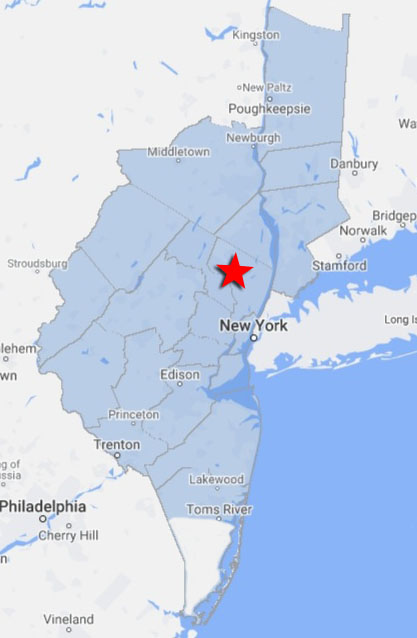
Why Work With a Local Accessibility Care Provider in NJ & NY
Accessibility equipment isn’t a purchase you want to get wrong. Local installation and service matter because stairlifts, ramps, and lifts need to be installed to code, maintained over time, and serviced quickly if something stops working. Choosing a provider based in New Jersey that also serves New York means faster response times for repairs and a team that’s familiar with the area’s common home styles and building requirements.
Able Care Group is a family-owned company that has been installing and servicing accessibility equipment for families in New Jersey and New York since 1990. You can read more about our approach on our About page.
Getting Started With a Home Accessibility Assessment
The best next step is a free, no-obligation in-home assessment. A technician evaluates the staircase, entryways, and overall layout, then recommends equipment that fits both the home and the budget — no guesswork required.
Book a free care assessment today to find out which accessibility solutions make the most sense for your home.