


Staying in the home you love as you age is possible for most families, but it usually means rethinking how you move through that home. Residential mobility solutions range from simple ramps to full elevators, and choosing the right one depends on your specific layout, budget, and mobility challenge. This guide walks through how to evaluate your options so you can make a confident, informed decision.
Signs It’s Time to Consider Home Mobility Equipment
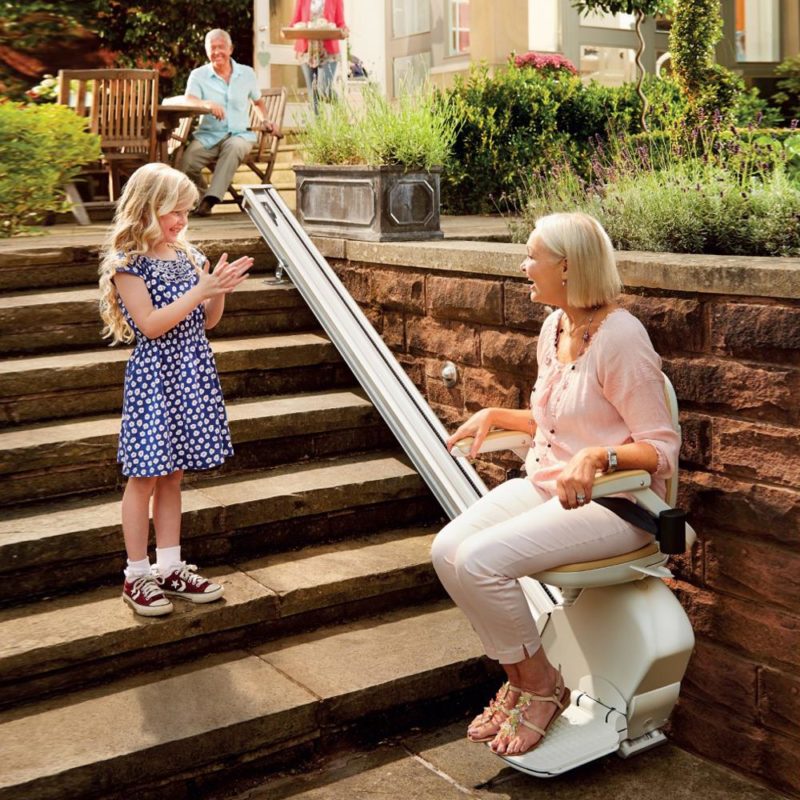
Most families don’t plan a mobility upgrade until a moment forces the conversation: a fall on the stairs, a hospital discharge with new restrictions, or simply the slow realization that certain parts of the home are becoming harder to reach. Watching for the early signs can help you act before a crisis, rather than in response to one.
Physical warning signs
- Holding the railing with both hands or pausing partway up the stairs
- Avoiding the upper or lower floor of the home altogether
- Increased fatigue, shortness of breath, or joint pain when climbing stairs
- Difficulty stepping over thresholds at exterior doors
Safety incidents and near-misses
A single fall, or even a close call, is one of the clearest signals that residential mobility solutions should move from a someday project to a near-term priority. Falls on stairs are among the most common causes of injury for older adults living at home, and equipment like a stairlift can remove that risk entirely.
Changes in daily routines
If you’ve started sleeping in a downstairs den, skipping the basement laundry room, or relying on a family member to carry groceries inside, your home’s layout is already limiting your independence. These workarounds are worth noting, since they usually point directly to the type of equipment that will help most.
Comparing Your Options: Stairlifts, Wheelchair Lifts, Ramps, and Elevators
There isn’t a single best piece of home mobility equipment: the right choice depends on the specific barrier you’re solving for. Here’s how the main categories compare.
Stairlifts for straight and curved staircases
A stairlift is often the most practical solution for indoor stairs, since it installs directly onto the existing staircase without structural renovation. Straight rail stairlifts are the simpler, more affordable option for a single flight without turns, while curved rail stairlifts are custom-built to follow staircases with bends, landings, or spiral sections. For homes with exterior stairs leading to a porch or entryway, outdoor stairlifts are built with weather-resistant components to handle rain, snow, and temperature swings.
Wheelchair lifts for porches and short vertical rises
Residential wheelchair lifts are designed for anyone using a wheelchair or power scooter who needs to move between two levels, such as a raised porch, a garage step, or a split-level entry. Unlike a stairlift, a wheelchair lift carries the person and the mobility device together, which makes it the right fit when transferring out of a wheelchair isn’t practical. Portable options, like the Mobilift CX portable wheelchair lift, are worth considering for renters or anyone who wants a solution that doesn’t require permanent installation.
Ramps for quick, low-cost access
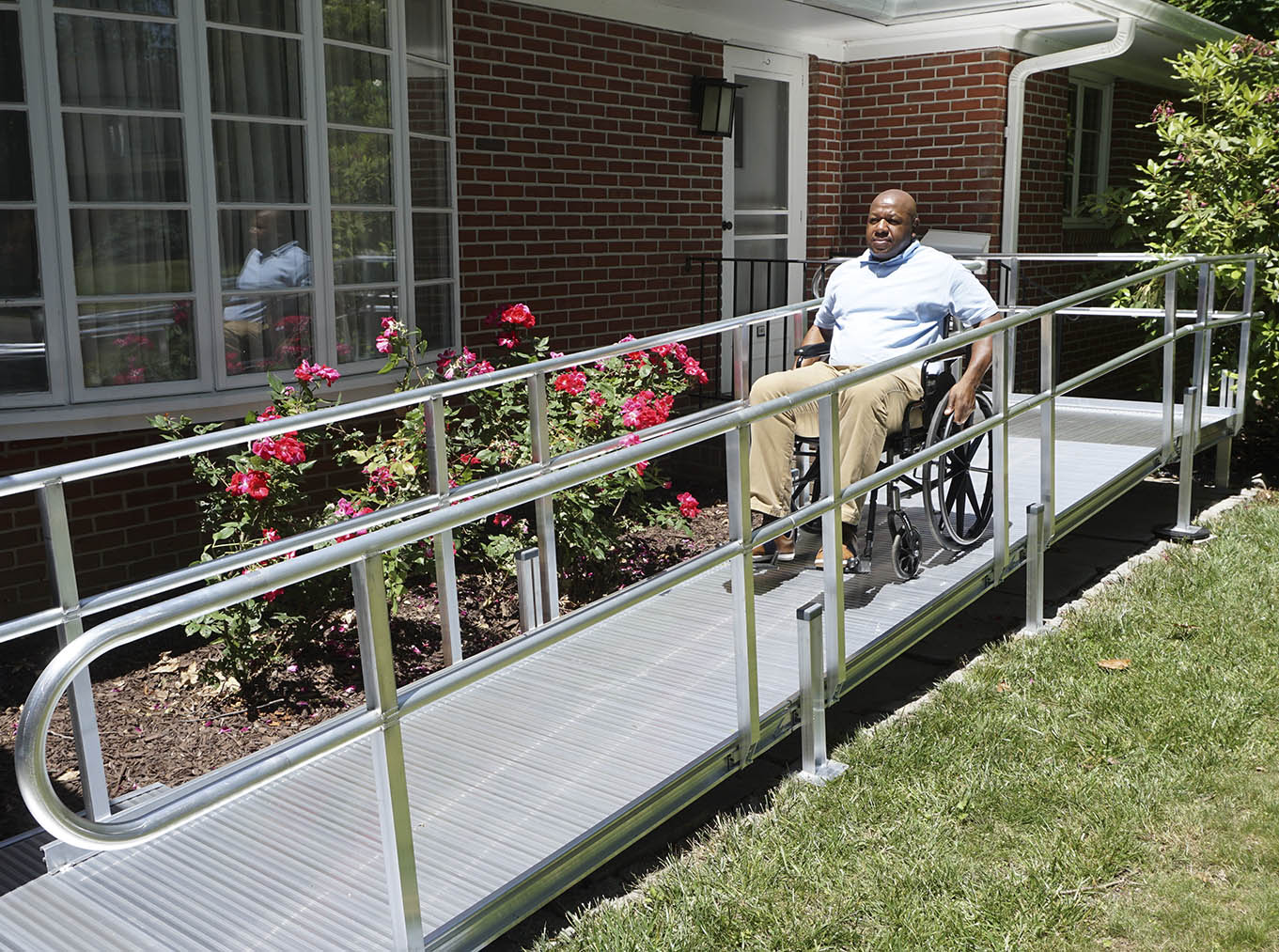
Residential ramps are typically the fastest and most affordable way to eliminate a single step or short rise at an entryway. They work well for wheelchairs, walkers, and scooters alike, and modular aluminum ramps can be installed in a day without permanent construction. Ramps aren’t a solution for full staircases, but they’re an excellent complement to a stairlift or elevator elsewhere in the home.
When each option makes the most sense
- Stairlift: best for a single indoor or outdoor staircase where the person can safely transfer to a seat
- Wheelchair lift: best when the wheelchair or scooter needs to travel with the user
- Ramp: best for a single step or short rise at an entrance
- Elevator: best for multi-story homes with frequent, full-floor access needs
Residential Elevators: When a Lift Isn’t Enough
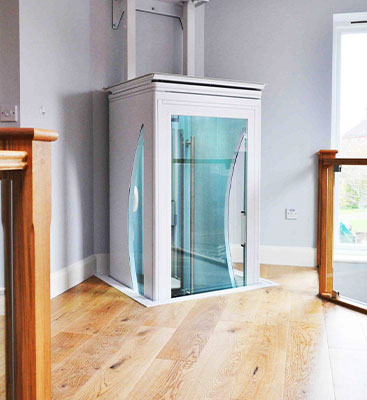
Some homes, and some mobility needs, call for more than a lift on a single staircase. Residential elevators are the right choice for multi-story homes where someone needs regular, full access to every floor, not just the ability to get past one flight of stairs.
Multi-story homes and long-term planning
If your home has three or more levels, or if multiple staircases would each need their own lift, a residential elevator can be more practical and cost-effective in the long run. It also future-proofs the home: as mobility needs change over time, an elevator continues to serve the household without requiring additional equipment down the road.
Comfort and dignity considerations
An elevator also accommodates a caregiver riding alongside, transports groceries or laundry without a second trip, and offers a more seamless experience for guests and family members who share the home. For many families, this makes it the more dignified, whole-house solution compared to installing several separate lifts.
Assessing Your Home’s Layout and Accessibility Needs
Before comparing quotes, it helps to walk through your home with an accessibility lens. A clear picture of your layout makes it much easier to identify which aging in place solutions will actually solve your day-to-day challenges.
Entryways and thresholds
Note every step at your home’s entrances, including the garage, back door, and any side entries. Even a single 4-inch step can become a real barrier, and it’s often the easiest one to solve with a ramp.
Staircases and hallway width
Measure the length, width, and shape of each staircase, and note any landings or turns. This determines whether a straight or curved rail stairlift is needed, and whether hallways are wide enough to accommodate a wheelchair or walker comfortably.
Bathrooms and bedrooms
Consider whether a bedroom and full bathroom are available on the main floor. If not, that’s often the strongest argument for prioritizing vertical access, whether through a stairlift, wheelchair lift, or elevator, so the most-used rooms in the home stay within easy reach.
Budgeting for a Mobility Upgrade
Cost is often the deciding factor between mobility equipment options, and the range is wide enough that most budgets can find a workable solution.
Typical cost ranges by equipment type
- Ramps: generally the lowest upfront cost, especially for modular aluminum systems
- Straight rail stairlifts: a moderate investment, installed in a matter of hours
- Curved rail stairlifts: custom-built to the staircase, priced higher due to fabrication
- Wheelchair lifts: mid-range, depending on lift height and portability
- Residential elevators: the highest investment, but often the most cost-effective per floor served in larger multi-story homes
Financing, rentals, and pre-owned options
If a brand-new system stretches the budget, pre-owned equipment is a practical way to access the same safety benefits at a lower cost. Many families also explore short-term rentals for recovery periods, or financing plans that spread the investment over time. A specialist can walk you through which route makes the most sense for your situation.
Working with a Mobility Equipment Specialist
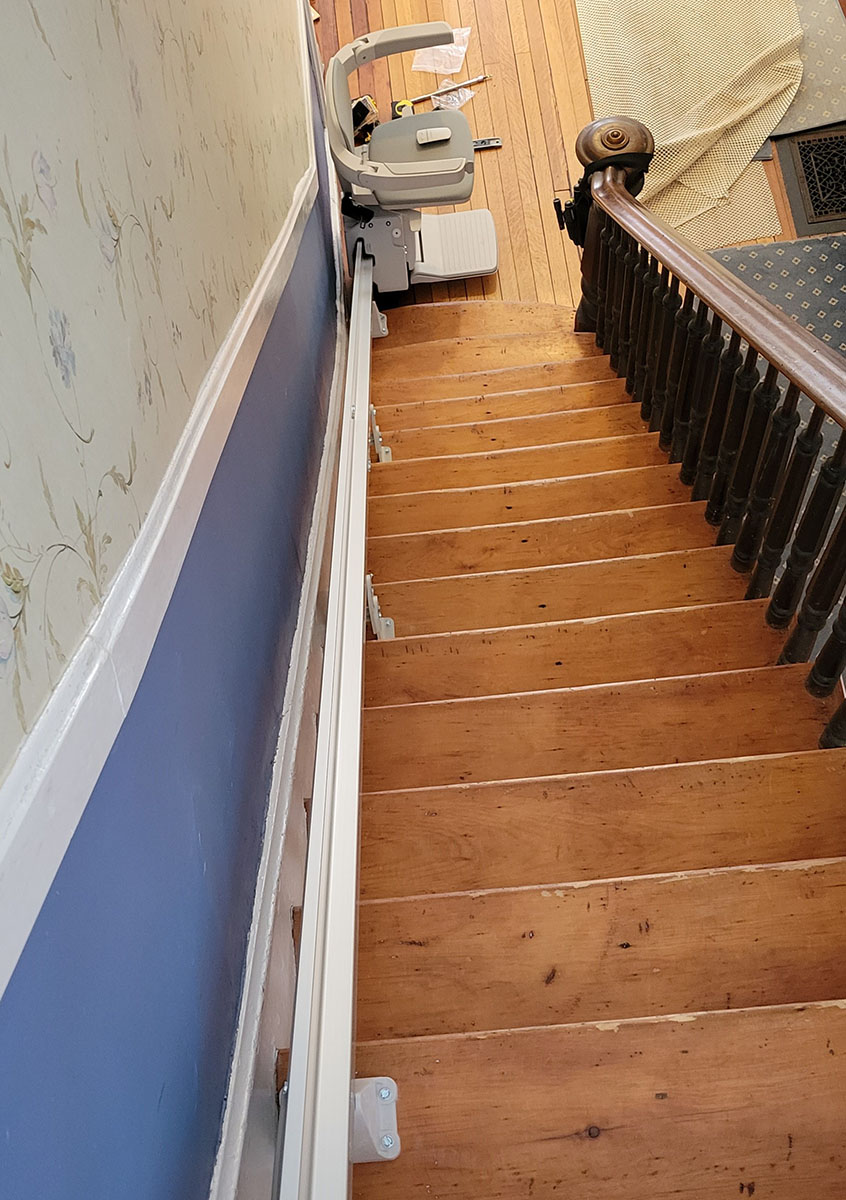
Choosing equipment online without an in-person evaluation is one of the most common mistakes families make. A qualified specialist brings expertise that’s hard to replicate from measurements alone.
Why a professional home assessment matters
A specialist evaluates the staircase pitch, landing dimensions, door widths, electrical access, and structural considerations that aren’t obvious to an untrained eye. This ensures the equipment you choose is not just technically compatible with your home, but genuinely comfortable and safe to use every day.
Installation and ongoing maintenance
Professional installation ensures the equipment meets safety standards from day one, and ongoing maintenance keeps it running reliably for years. Ask any provider about warranty coverage, response times for service calls, and what routine maintenance is included before you sign an agreement.
Next Steps: Getting a Home Assessment
The fastest way to know which residential mobility solution fits your home is a free, no-obligation assessment with a specialist who can see your space firsthand. Whether you’re weighing a stairlift, a wheelchair lift, a ramp, or a full residential elevator, the right recommendation starts with understanding your layout, your mobility needs, and your budget together.
Contact us today to schedule your home assessment and take the first step toward safer, more independent living at home.